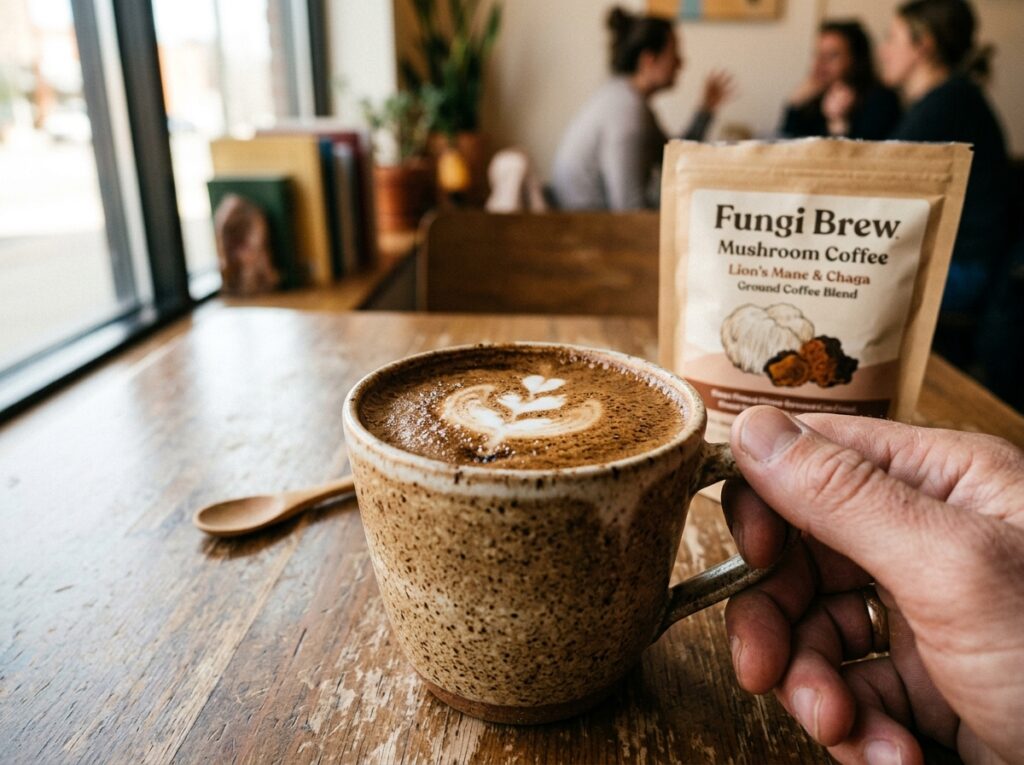
You’ve heard the buzz. Maybe a friend mentioned it. Maybe you saw it on TikTok or Instagram. Mushroom coffee has gone from a niche wellness trend to a mainstream product that millions of people drink every morning. The global mushroom coffee market crossed $3.4 billion in 2024, and it’s growing fast. But here’s the tricky part — actually figuring out where to buy mushroom coffee that’s legit, fresh, and worth your money.
Because not all mushroom coffee is created equal. Some brands use real fruiting body extracts (the good stuff), while others fill their packets with mycelium grown on grain — basically filler. And the place you buy it from can affect everything from price to freshness to the variety you’ll find.
So let’s sort this out. Whether you want to grab a bag from a store near you or order from your couch, here’s exactly where to look — and what to watch for.
What Exactly Is Mushroom Coffee? A Quick Refresher
Before we talk shopping, let’s make sure we’re on the same page about the product itself. Mushroom coffee isn’t a cup of brewed mushrooms. It’s regular coffee — usually dark roast Arabica — blended with powdered extracts from functional mushrooms like lion’s mane, chaga, reishi, cordyceps, or turkey tail.
The idea is simple: you get the familiar flavor and energy boost of coffee, but with added benefits from the mushroom extracts. Many people report smoother energy without the jitters, better focus, and less of that afternoon crash. That’s because most mushroom coffee blends contain less caffeine than a standard cup — typically around 50mg per serving compared to 95mg in regular coffee. If you’re curious about how caffeine levels compare across different drinks, you might find this breakdown of caffeine in a tablespoon of coffee helpful for context.
The mushroom extracts themselves contain bioactive compounds — beta-glucans, triterpenes, and antioxidants — that have been studied for immune support, cognitive function, and stress adaptation. Not magic, but genuine functional benefits backed by growing research.
Now that you know what you’re shopping for, let’s talk about where to find it.
Buying Mushroom Coffee Online: The Widest Selection
For most people, buying mushroom coffee online is the easiest and smartest move. You get the biggest selection, the best prices, and the ability to compare brands side by side before spending a dime.
Brand Websites — Going Direct
The most reliable way to buy mushroom coffee is straight from the brand’s own website. Companies like Four Sigmatic, RYZE, Everyday Dose, and MUD\WTR all sell directly through their online stores. Why does this matter?
When you buy direct, you’re almost always getting the freshest product. There’s no sitting on a warehouse shelf for months. Most brands also offer subscription models that knock 15–30% off the regular price, which adds up fast if you’re drinking it daily. Four Sigmatic’s subscription, for example, brings their instant mushroom coffee packets down to around $1 per serving — not bad for a specialty product.
You also get better customer support. If something’s wrong with your order or you want to ask about ingredients, you’re talking to the actual company. Try doing that through a third-party marketplace.
Pro Tip: Most brand websites run first-time buyer discounts, usually 10–20% off. Check for a welcome popup or sign up for their email list before placing your order. That two-minute step can save you $5–$10 on your first bag.
Amazon — Convenience With Caution
Amazon is probably where most people end up searching for mushroom coffee, and honestly, the selection is massive. You’ll find everything from big names like Four Sigmatic and RYZE to smaller brands you’ve never heard of. Prime shipping makes it convenient. Reviews help you compare.
But here’s where you need to be careful. Amazon has a well-documented issue with third-party sellers offering expired, counterfeit, or improperly stored products — especially in the supplement and wellness category. A bag of mushroom coffee from a random seller might look legit but could be sitting past its best-by date or stored in a warehouse with poor climate control.
Stick to listings marked “Sold by [Brand Name]” or at least “Fulfilled by Amazon” from the brand’s official store. Read the reviews carefully — not just the star rating, but the actual written reviews. Look for mentions of taste issues, weird packaging, or products arriving unsealed.
That said, Amazon is genuinely great for comparing the best mushroom coffee brands side by side. You can look at ingredient lists, read hundreds of real customer experiences, and often find bundle deals that aren’t available elsewhere.
Specialty Health Retailers Online
Sites like Thrive Market, iHerb, and Vitacost are goldmines for mushroom coffee. These platforms specialize in natural and wellness products, so their curation tends to be more thoughtful than a general marketplace. Staff actually vet what they sell.
Thrive Market works on a membership model (around $60/year), but if you buy mushroom coffee regularly — along with other health-focused groceries — the savings easily cover the membership fee. They carry brands like Four Sigmatic, Om Mushroom, and Real Mushrooms at prices that often beat Amazon.
iHerb is especially good if you’re looking for pure mushroom extract powders that you want to blend into your own coffee at home. They ship internationally, and their freshness tracking is transparent — you can see batch numbers and expiration dates before you buy.
Finding Mushroom Coffee in Stores Near You
Not everyone wants to wait for shipping. Maybe you want to try mushroom coffee today, or you prefer seeing a product in person before buying it. Good news: mushroom coffee in stores has become much easier to find over the past couple of years.
Whole Foods Market
If there’s a Whole Foods near you, that’s probably your best bet for an in-store purchase. They’ve carried mushroom coffee since the trend was still relatively underground, and their selection has only grown. You’ll typically find Four Sigmatic, Om Mushroom, and sometimes MUD\WTR in the coffee or wellness aisle.
Whole Foods also tends to stock single-serve packets, which is perfect if you just want to try mushroom coffee before committing to a full bag. Grabbing a box of 10 instant packets for $12–$15 is a low-risk way to see if you even like the taste.
The staff at Whole Foods — especially in the supplement section — usually know their products well. Don’t hesitate to ask questions about which brands they recommend or what’s selling well. Real human opinions beat algorithms sometimes.
Mushroom Coffee at Walmart
Here’s something that shows just how mainstream this product has become: you can now find mushroom coffee at Walmart. Both in-store and on Walmart.com, you’ll find brands like Four Sigmatic, RYZE, and various private-label options.
Walmart’s pricing tends to be competitive, and their online grocery pickup means you can order mushroom coffee along with your regular groceries and grab it on the way home. Their in-store selection varies by location though — a Walmart Supercenter in a health-conscious city like Austin or Portland will carry more options than a smaller store in a rural area.
One thing to note: Walmart’s online marketplace also includes third-party sellers, similar to Amazon. So apply the same caution. Check who’s actually selling the product and whether it ships from a reputable source.
Target, Sprouts, and Natural Grocers
Target has quietly built a solid health food section, and mushroom coffee has found its way onto those shelves. You’ll typically see one or two brands — usually Four Sigmatic — in the coffee aisle or the natural foods section.
Sprouts Farmers Market and Natural Grocers are better bets if you want variety. These stores cater specifically to health-conscious shoppers, and their buyers actively seek out trending wellness products. Sprouts in particular has been expanding their functional beverage section, and mushroom coffee gets prominent shelf space.
Natural Grocers (if you have one nearby — they’re mostly in the western and central US) often carries brands that the bigger chains don’t, including smaller artisan mushroom coffee producers. Their staff tends to be well-trained on ingredients and sourcing, which is helpful when you’re comparing options.
Local Health Food Stores and Co-ops
Don’t overlook your neighborhood health food store or food co-op. These smaller shops are often the first to stock innovative products, and the people working there are usually passionate about what they sell. You might discover a regional mushroom coffee brand that doesn’t have nationwide distribution but makes an excellent product.
Co-ops are also great places to find bulk mushroom coffee or adaptogenic mushroom blends that you can scoop and weigh yourself. Cheaper per ounce, less packaging waste, and you can buy exactly the amount you want to try.
Online vs. In-Store: Which Is Better for Buying Mushroom Coffee?
This is a question people genuinely wrestle with, and the answer depends on what you value most. Let’s break down the mushroom coffee online vs. store comparison honestly.
Buying online wins on selection, price, and convenience. You can compare 30 brands in 10 minutes, read thousands of reviews, and often find subscription discounts that make the per-serving cost significantly lower. If you already know which brand you like, buying online — especially direct from the brand — is almost always the smarter financial choice.
Buying in stores wins on immediacy, the ability to read labels in person, and the experience of talking to a real human about the product. If you’re new to mushroom coffee and feeling overwhelmed by options, walking into a Whole Foods or Sprouts and chatting with someone in the coffee section can be genuinely helpful. You can also check expiration dates, inspect packaging, and avoid the risk of shipping damage.
Here’s what I’d actually recommend: buy your first bag in a store, especially if you’ve never tried mushroom coffee before. Pick up a small box of instant packets, try them for a week, and see how your body responds. If you like it, switch to buying online with a subscription to save money long-term. Best of both worlds.
If you’re someone who’s been looking for ways to reduce your caffeine intake gradually, mushroom coffee is a solid step — and understanding how much caffeine is in your current drinks can help you make a smoother transition.
What to Look for When Choosing a Brand
Where you buy matters, but what you buy matters even more. The mushroom coffee market has exploded, and not every product on the shelf is worth your money. Here are the things that actually matter when you’re comparing brands.
Fruiting Body vs. Mycelium
This is the single most important thing to check on the label. Fruiting body extracts come from the actual mushroom — the part that grows above ground. These contain the highest concentration of beneficial compounds like beta-glucans. Mycelium is the root-like structure that grows underground (or, more commonly in supplements, on grain in a lab). Mycelium-on-grain products contain significant amounts of starch filler and lower levels of active compounds.
Look for brands that specifically say “fruiting body extract” on their label. Real Mushrooms, Four Sigmatic, and Om Mushroom all use fruiting body extracts. If a label just says “mushroom powder” without specifying, that’s a red flag.
Type of Mushroom Used
Different mushrooms do different things. Lion’s mane is the go-to for focus and cognitive function. Chaga is prized for antioxidants and immune support. Reishi is often called the “calming mushroom” — great for evening blends or people who find regular coffee too stimulating. Cordyceps is popular with athletes for energy and endurance.
Many brands combine two or three mushroom extracts with coffee. Think about what you’re trying to get out of the product and choose accordingly. Want sharper focus at work? Look for lion’s mane-forward blends. Want something that helps you wind down? A reishi-dominant blend might be your match.
Coffee Quality
The mushroom part gets all the attention, but don’t ignore the coffee itself. Some brands use high-quality, organic, single-origin Arabica beans. Others use whatever generic instant coffee they can source cheaply. You can usually taste the difference.
Brands like Four Sigmatic and Everyday Dose use organic Arabica. RYZE uses organic shade-grown coffee. If the label doesn’t mention the coffee source at all, that’s worth questioning. You’re still drinking this stuff every morning — it should taste good.
If you care about coffee quality and want to know how different brewing methods affect caffeine and flavor, it’s worth exploring those differences as you refine your routine.
Third-Party Testing
Reputable brands get their products tested by independent labs for purity, potency, and contaminants. Look for certifications like USDA Organic, Non-GMO Project Verified, or mentions of third-party testing on the packaging. Brands that invest in testing aren’t shy about advertising it.
Best Mushroom Coffee Brands Worth Trying
Let me give you a quick rundown of the best mushroom coffee brands that consistently get positive reviews and deliver quality products. This isn’t an exhaustive list, but these are the names that keep coming up for good reasons.
Four Sigmatic is probably the most well-known mushroom coffee brand in the US. They’ve been around since 2012 and offer everything from instant packets to ground coffee to mushroom lattes. Their lion’s mane + chaga instant coffee is their best seller. Available at Whole Foods, Target, Amazon, and their own website. Expect to pay around $15 for a box of 10 packets.
RYZE has blown up on social media and for good reason — their blend uses six different mushrooms (lion’s mane, reishi, chaga, cordyceps, shiitake, and turkey tail) in a single formula. It’s creamy, smooth, and mild. Only available through their website and Amazon. Around $36 for a 30-serving bag, with subscription discounts available.
MUD\WTR isn’t technically coffee — it’s a mushroom-based alternative that uses masala chai as its base with cacao, turmeric, cinnamon, and functional mushrooms. It contains about 1/7th the caffeine of a regular cup of coffee. Great for people who want to quit coffee entirely but still want a warm, ritualistic morning drink. Available on their website and select stores.
Everyday Dose markets itself as “the mushroom latte” and combines mushroom extract, collagen protein, and nootropics with their coffee. It’s positioned for people who want cognitive benefits and gut health support. Their starter kit comes with a USB-powered frother. Primarily sold through their website.
Real Mushrooms doesn’t sell pre-made mushroom coffee — they sell pure mushroom extract powders that you add to your own coffee. This DIY approach gives you more control over dosage and lets you use whatever coffee you already love. They’re one of the most transparent brands about sourcing and testing. Available on their website, Amazon, and iHerb.
How Much Does Mushroom Coffee Actually Cost?
Let’s talk money, because price is a real factor for most people. Mushroom coffee is more expensive than regular coffee — there’s no getting around that. But the range is wide.
At the low end, you might pay $0.70–$1.00 per serving for brands like Four Sigmatic instant packets (when bought on subscription) or store-brand options at places like Walmart. At the high end, premium brands with multiple functional ingredients can run $2.00–$3.50 per serving.
For comparison, a medium drip coffee at a café costs $3–$5. Even a homemade cup of decent regular coffee costs about $0.25–$0.50 per serving. So yes, mushroom coffee costs more. But it’s still cheaper than a daily Starbucks run, and you’re getting functional benefits that regular coffee doesn’t offer.
Quick Math: If you drink mushroom coffee daily at $1.20/serving (a typical mid-range price), that’s about $36/month. A daily latte from Starbucks could easily cost you $150+/month. Perspective matters.
Buying in bulk, choosing subscriptions, and shopping during sales (Black Friday and New Year are big for wellness brands) can all bring your cost down. Some brands also offer “subscribe and save” programs that lock in lower prices and deliver on a schedule so you never run out.
Storing Your Mushroom Coffee the Right Way
You’ve found where to buy it, you’ve picked a brand — now don’t ruin it with bad storage. Mushroom coffee, like regular coffee, degrades when exposed to air, moisture, heat, and light. Here’s how to keep it fresh.
Store your mushroom coffee in a cool, dry, dark place — a kitchen cabinet away from the stove is ideal. If the product comes in a resealable bag, squeeze out excess air before sealing it after each use. If it comes in a canister, make sure the lid is tight.
Don’t refrigerate or freeze mushroom coffee unless the brand specifically recommends it. The temperature fluctuations when you take it in and out can create condensation, which introduces moisture — the enemy of any powdered product.
Instant mushroom coffee packets are the easiest to store because each serving is individually sealed. They typically stay fresh for 12–18 months from the production date. Ground mushroom coffee blends, once opened, are best used within 4–6 weeks for optimal flavor and potency. This is similar to how you’d handle coffee creamer shelf life — freshness always matters more than most people think.
Brewing Tips for the Best Cup
Most mushroom coffee comes in one of two forms: instant powder or ground coffee. Each requires a slightly different approach.
For instant mushroom coffee, just add 8–10 ounces of hot water (not boiling — aim for around 185°F), stir well, and you’re done. The mushroom extracts are already fully soluble. Some people find it tastes better with a splash of oat milk or coconut creamer. A small pinch of cinnamon can also balance any earthy notes from the mushroom extracts.
For ground mushroom coffee, brew it exactly like you would regular coffee. Pour-over, French press, drip machine, AeroPress — whatever method you prefer. The mushroom extracts are infused into the ground coffee beans, so they’ll extract along with the coffee during brewing.
One thing that surprises people: mushroom coffee is generally milder and smoother than regular coffee. If you’re used to a bold, punchy cup, you might want to use slightly more grounds than usual or brew it a touch stronger. Taste is subjective, so experiment.
If you use a Keurig or another single-serve machine and run into brewing issues, these troubleshooting tips might save you some frustration.
Who Should (and Shouldn’t) Try Mushroom Coffee?
Mushroom coffee works well for a lot of people, but it’s not for everyone.
It’s a great fit if you want to reduce your caffeine intake without giving up coffee entirely, you’re looking for sustained energy without jitters, or you’re curious about functional mushrooms but don’t want to take capsules. It’s also popular among people who practice intermittent fasting, since black mushroom coffee is essentially zero calories.
Talk to your doctor first if you’re pregnant or breastfeeding, you’re on blood-thinning medications (reishi and chaga can affect blood clotting), you have an autoimmune condition (functional mushrooms can modulate immune activity), or you have a known mushroom allergy.
⚠️ Important disclaimer: Mushroom coffee is a food/beverage product, not medicine. The mushroom extracts may support general wellness, but they’re not FDA-approved treatments for any specific condition. Don’t use mushroom coffee as a substitute for medical treatment.
Frequently Asked Questions
Can I find mushroom coffee at regular grocery stores?
Yes, and it’s becoming more common every year. Major chains like Walmart, Target, Whole Foods, Sprouts, and Natural Grocers carry at least one or two mushroom coffee brands. The selection is more limited than what you’ll find online, but it’s enough to get started. Check the coffee aisle first, then look in the natural foods or supplement section.
Is mushroom coffee cheaper online or in stores?
Online is almost always cheaper, especially if you use subscription discounts from brand websites. You can typically save 15–30% compared to retail store prices. The exception is when stores run clearance sales or promotional pricing — then in-store deals can occasionally beat online prices. Walmart’s online platform often matches or undercuts other retailers on popular brands.
How do I know if a mushroom coffee brand is legit?
Check three things: Does the label specify “fruiting body” extracts? Does the brand conduct third-party testing? And does the company openly share information about where their mushrooms are sourced? Legitimate brands are transparent about all three. Watch out for products that just say “mushroom blend” or “proprietary formula” without breaking down exactly what’s inside. Customer reviews on platforms like Amazon can also reveal quality issues that the marketing won’t mention.
Does mushroom coffee taste like mushrooms?
Barely. Most people describe the taste as earthy, slightly nutty, and smoother than regular coffee. You won’t feel like you’re drinking a mushroom soup. The coffee flavor dominates, and the mushroom extracts mostly affect the aftertaste and body of the drink. If you add creamer or sweetener, you probably won’t notice the mushroom component at all.
Can I make my own mushroom coffee at home?
Absolutely. Buy a high-quality mushroom extract powder (lion’s mane, chaga, or a blend) from a brand like Real Mushrooms or Om Mushroom, and stir half a teaspoon into your regular morning coffee. This DIY approach lets you control the dosage, use your favorite coffee beans, and often costs less per serving than pre-made mushroom coffee products.
Your Next Move
Finding where to buy mushroom coffee isn’t the hard part anymore — it’s everywhere, from Walmart shelves to specialty online shops. The real challenge is picking a product that uses quality ingredients, tastes good to you, and fits your budget.
Start small. Grab a box of instant packets from Whole Foods or order a sample from a brand’s website. Give it a week. Notice how you feel — your energy levels, your focus, that mid-afternoon slump. If the caffeine content of your current drinks has been keeping you wired, mushroom coffee’s lower-caffeine approach might surprise you in the best way.
The best mushroom coffee brand is the one you’ll actually drink every morning. So try a few, trust your taste buds, and don’t overthink it. Your morning ritual just got a functional upgrade — and it’s sitting on a shelf or in a shopping cart right now, waiting for you to hit “add to cart.”