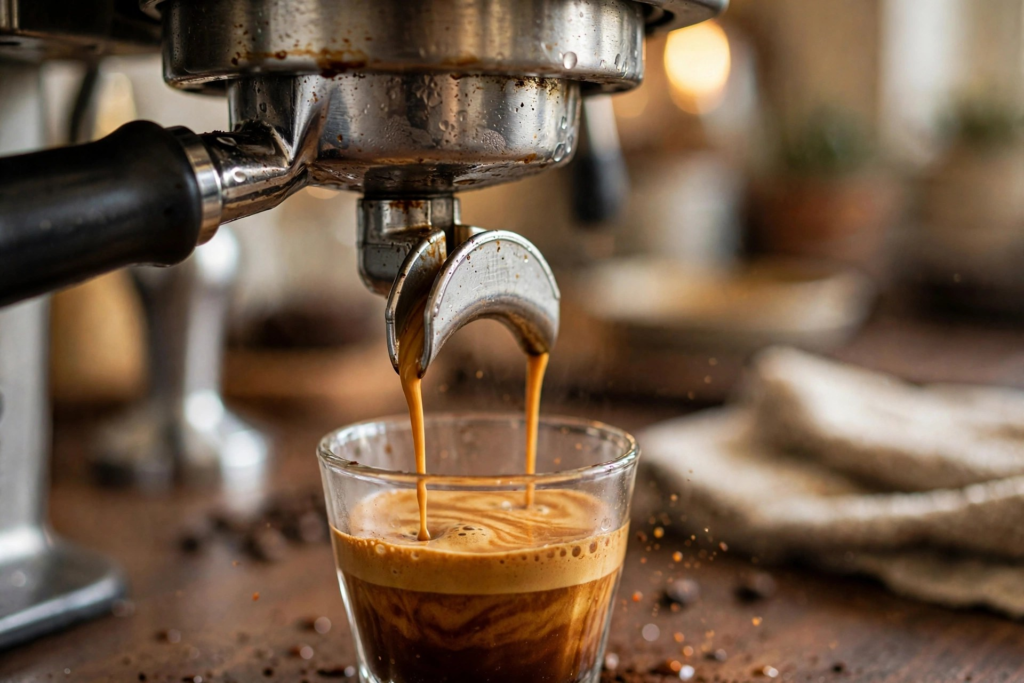
Since its debut in 1997, the Rancilio Silvia has occupied a peculiar corner of home espresso: it looks like a machine pulled straight off a barista’s back bar, it is built like one, and it can punish the unprepared owner like one. The Silvia doesn’t hold your hand — no programming, no auto-anything. What it gives you instead is a commercial-grade 58mm group head, a 300-millilitre brass boiler, and a direct line to how espresso actually behaves.
That is both the challenge and the reward. This machine has taught more home baristas the fundamentals of espresso than any before it, because it refuses to do the thinking for you. Once you understand its habits, the Silvia will produce shots that embarrass machines costing twice as much. Here is everything that matters, in the order you’ll need it.
Know the Machine You’re Driving
The Silvia is a single-boiler, dual-use machine, which is the first thing to internalize. One boiler does everything: it heats water to brewing temperature for espresso, then to a much hotter steam temperature for milk. It cannot do both at once, and it takes a minute or two to move between the two worlds. That single fact explains almost every workflow quirk you’ll encounter. The front panel carries four rocker switches — power, brew, hot water, and steam — plus the steam knob on the right. There is no PID from the factory; a simple thermostat and its heating light govern brew temperature. Inside, the over-pressure valve is adjustable and generally set around 9 bar, and the 58mm commercial-style group head takes standard 58mm accessories.
The Warm-Up Ritual: Give It Twenty Minutes
The Silvia’s brass group head and boiler are heavy, and they need twenty to thirty minutes to reach true thermal stability. The ready light is a liar — it tells you the boiler hit its setpoint, not that the group head and portafilter are evenly heated. Brew too early and the metal will steal heat straight out of your shot, leaving you with something sour and thin.
Flip the power switch on and walk away. About five minutes before you brew, run a short flush of water through the group head with the portafilter locked in — this warms the portafilter and clears stale water and old coffee residue. Warm your cups too, with hot water; a double shot is only about 60 millilitres of liquid and loses heat fast in a cold cup.
Grind and Dose: The Machine’s Actual Appetite
The Silvia ships with a stock double basket, and a good starting point is 16 grams of coffee in it — the basket’s rated capacity sits in the 14–18 gram range, though many owners eventually upgrade to a precision basket. Dose by weight, every time. Ground coffee changes density with grind size and roast level, so eyeballing is a recipe for never diagnosing anything twice.
The grind needs to be fine — espresso fine — and ground seconds before brewing. If you’re shopping for equipment priorities, put the grinder first: a mediocre machine fed by a good burr grinder will outperform a Silvia fed stale, pre-ground coffee every single time. Espresso is made or broken at the grinder, and the Silvia is honest enough to show you exactly that.
Temperature Surfing, Demystified
Here is the Silvia’s famous quirk, and the reason entire internet forums exist. When the heating light goes out, the boiler water is too hot to brew with — around 105°C or higher in the boiler. The thermostat has a wide deadband, meaning the temperature swings between cycles. Temperature surfing is simply the ritual of catching the boiler at the right moment in that swing.
The mainstream routine goes like this. Wait until the heating light turns off, then flush water through the group head — into the drip tray, no portafilter — for a few seconds to shed the superheated water. The exact flush length varies by taste and by machine: anywhere from a quick 3–5 second burst to a more deliberate 12-second flush followed by a 20-second rest. After flushing, wait about 30–45 seconds for the temperature to settle into the ideal brewing range, lock in your portafilter, and pull the shot immediately.
If that sounds fussy, know two things. First, it becomes muscle memory within a week. Second, the Silvia’s large 300ml boiler makes it more forgiving than other single-boiler machines; the temperature doesn’t crash the way it does on a tiny boiler. And if the ritual ever wears thin, an aftermarket PID controller is the most popular mod in the machine’s history: it replaces the thermostat and holds the boiler at your chosen setpoint, eliminating the surf entirely. But learn to surf first. The discipline it teaches — paying attention to temperature — is half the art.
Pulling the Shot: Seconds Start Counting
Before brewing, distribute the grounds so the bed is level — tap the portafilter gently, break up clumps with a fine needle tool — then tamp straight down, level and firm. Repeatability beats force. Our tamping tutorial covers the motion in full.
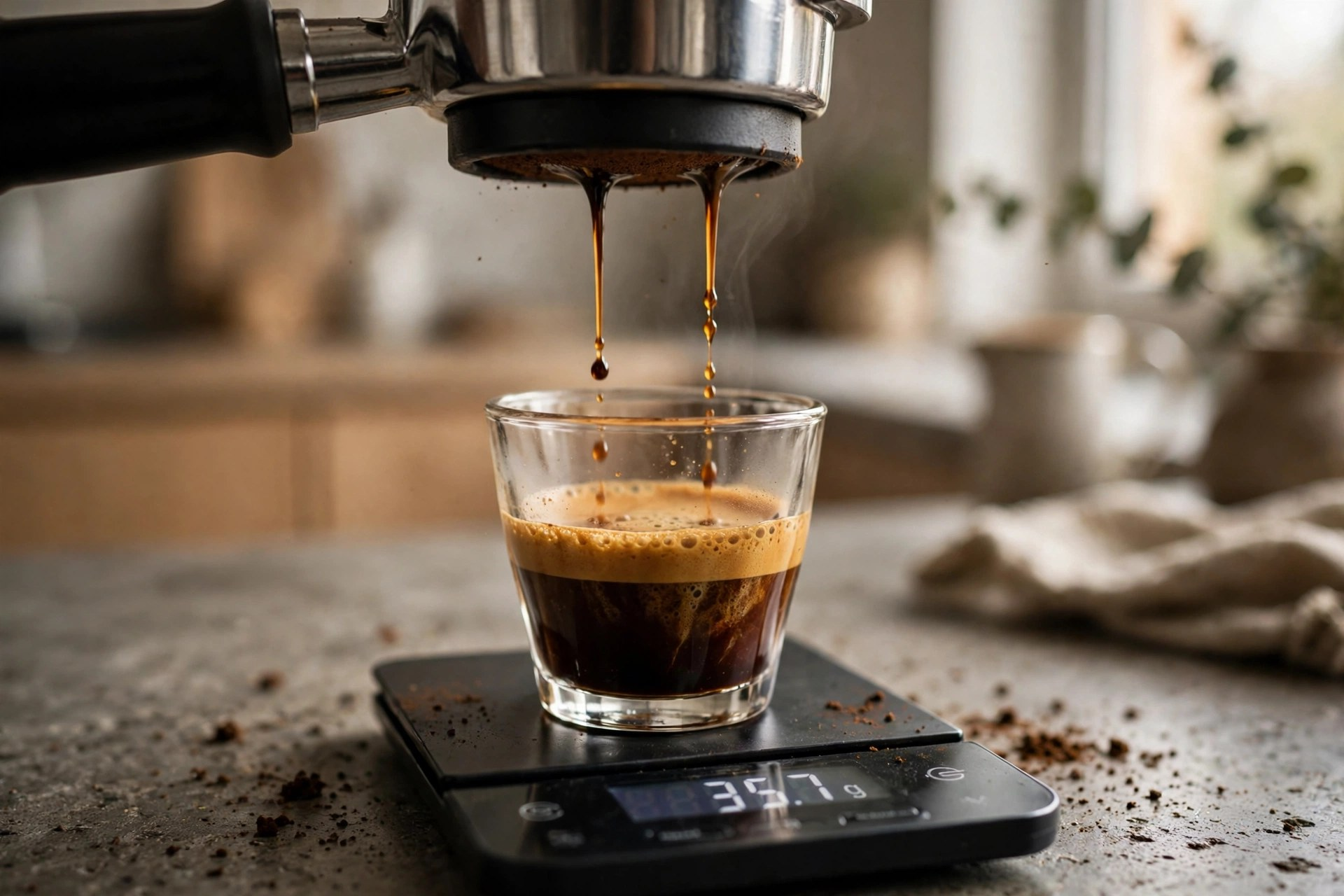
Lock the portafilter in firmly and start the pump right away; a tamped puck left sitting in a hot group begins absorbing moisture unevenly. Start your timer as the pump starts. The first drops should appear dark and syrupy within a few seconds, thickening into steady streams that slowly lighten in colour — blonding — as the shot progresses. Stop the pump at around 36 grams of liquid from your 16–18 gram dose, roughly 25–30 seconds after you started.
If the shot runs far too fast or far too slow, the grinder is your dial, not the tamp. Sour and sharp means under-extracted: grind finer. Bitter and harsh means over-extracted: grind coarser. This diagnostic thinking is the whole craft, and our guide to pulling the perfect shot covers the signs in more depth. The Silvia rewards this discipline more than almost any home machine because it won’t hide your mistakes — and when everything lands, you’ll know it in the first sip.
Steaming Milk on the Silvia
Now for the second world. Flip the steam switch and give the boiler a minute or two to climb to steam temperature; the heating light will cycle off when it’s ready. Before touching the milk, open the steam knob briefly to purge the condensation in the wand — the first spurt is always water, and you don’t want it in the pitcher.
Fill a stainless pitcher about a third full with cold milk. Submerge the wand tip just below the surface, off to one side, and open the valve fully. For the first few seconds, keep the tip near the surface to draw in air with a gentle hiss — a few seconds for a latte, a bit more for a cappuccino. Then sink the tip deeper and let the steam roll the milk into a vortex until the pitcher feels hot to the touch, around 60–65°C. The stock single-hole steam tip demands patience, but it teaches beautiful technique. When you’re done, wipe the wand immediately and give it a short purge blast.
The Cool-Down: From Steam Back to Espresso
Here’s the single-boiler catch that bites people making back-to-back drinks. After steaming, the boiler is far too hot for espresso — brew now and the shot will taste scorched. Surf back down: flip the steam switch off, run the brew switch with the portafilter out until the water stops sputtering with steam and flows steadily, then wait for the temperature to settle and pull your shot as before. The same ritual in reverse, and it becomes second nature quickly.
Keeping It Healthy: The Maintenance Quirks
A machine built like the Silvia will last decades — there are units from the late nineties still pulling daily shots — but only if it’s maintained. After every session, knock out the puck, rinse the basket, and wipe down the group head. Backflush weekly with a dedicated espresso detergent using a blind basket: lock it in, run the pump for five seconds, rest for five, repeat a handful of times. This dissolves the rancid coffee oils that build up behind the shower screen. Every few months, remove the shower screen and group gasket for a proper soak — a worn gasket is the most common cause of a portafilter that won’t seal.
Descale periodically with a proper espresso descaler, and — the single best preventive advice — use soft, filtered water from day one. Scale is the silent killer of boilers, and the Silvia’s will repay good water with a long, quiet life.
Why It Endures
The Silvia is not the easiest espresso machine to learn on. It is, arguably, the best — because everything it demands of you is a skill you’ll keep forever, on any machine, in any café. Temperature awareness. Puck prep. Reading a shot. Steaming milk with attention. Treat it with ritual and respect, and it will make you the kind of barista no appliance can replace.